Inncom vs Honeywell Thermostat Comparison
Compare Inncom and Honeywell hotel thermostat systems across functionality, integration capabilities, cost structure, and suitability for hotel properties.
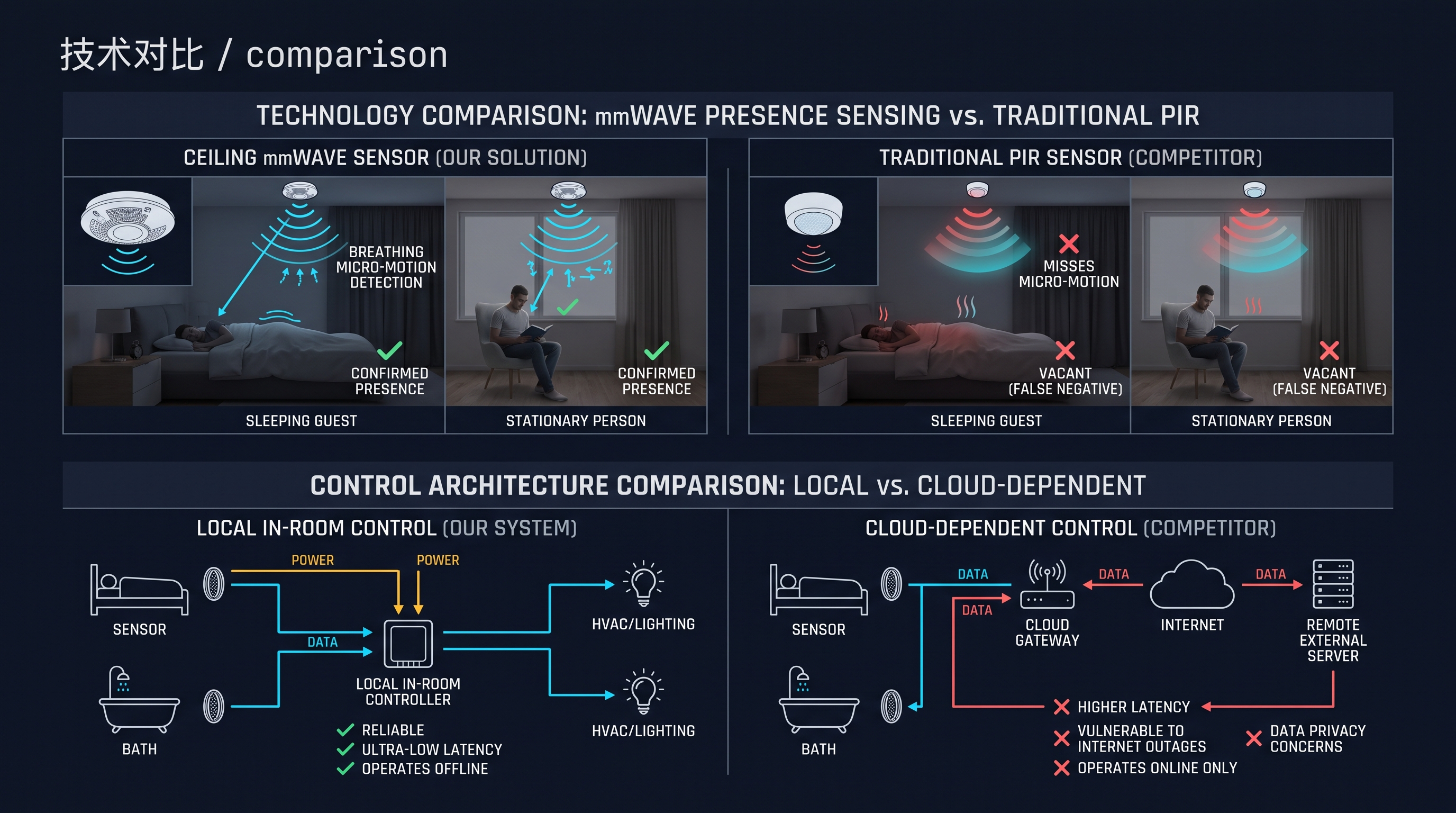
Inncom vs Honeywell hotel thermostat comparison represents a critical decision point for hospitality properties upgrading their room control systems. Both manufacturers have established significant market presence in hospitality building automation, but their approaches to room control technology differ substantially. Inncom, now part of the Honeywell family following acquisition, specializes specifically in hospitality applications with deep integration capabilities for property management systems. Honeywell offers broader commercial building automation expertise with thermostat solutions that span multiple industries. The choice between these systems depends on property size, existing infrastructure, integration requirements, and budget considerations. Hotel thermostats from both manufacturers provide occupancy-based control, energy management, and guest comfort optimization, but implementation costs, maintenance requirements, and long-term ownership costs vary significantly between the platforms.
Company Background and Market Positioning
Inncom began as a specialized hospitality automation company focused exclusively on hotel room control systems. The company developed proprietary protocols and hardware specifically designed for the unique requirements of hospitality properties, including integration with major property management systems, guest room lock integration, and housekeeping coordination. Honeywell's 2018 acquisition of Inncom brought the hospitality-focused technology under the Honeywell brand while maintaining its specialized product line. This positioning makes Inncom particularly attractive for properties seeking deep hospitality-specific functionality and seamless PMS integration. The system has been deployed in thousands of hotels worldwide, with particular strength in mid-to-upper scale properties where sophisticated room control is a competitive differentiator.
Honeywell brings broader commercial building automation expertise to the hospitality thermostat market. The company's T Series and other commercial thermostat lines serve applications ranging from office buildings to retail spaces to hospitality properties. This broader market presence means Honeywell thermostats benefit from economies of scale in manufacturing and extensive field service networks. However, the hospitality-specific features may be less refined compared to Inncom's purpose-built systems. Honeywell thermostats often appeal to properties seeking standardization across building types or those with existing Honeywell building automation infrastructure. The company's global presence and extensive distribution network provide advantages for international properties requiring consistent support across multiple locations.
The market positioning difference creates distinct value propositions. Inncom positions as a premium hospitality solution with specialized features justifying higher upfront costs. Honeywell positions as a versatile commercial solution with competitive pricing and broad applicability. Properties must evaluate whether the hospitality-specific features of Inncom provide sufficient incremental value to justify the cost premium, or whether Honeywell's broader capabilities and lower costs better align with their requirements. The decision often hinges on the importance of deep PMS integration, guest room lock connectivity, and hospitality-specific workflows in the property's operational model.
Technical Architecture and System Components
Inncom systems employ a proprietary wireless protocol designed specifically for hospitality applications. The architecture typically includes room thermostats, door sensors, occupancy sensors, and central controllers that communicate wirelessly using Inncom's RF technology. This proprietary approach ensures reliable communication in the dense RF environment typical of hotels while enabling specialized features such as keycard integration and housekeeping status reporting. The system uses a mesh network topology where each device can relay signals for others, extending range and improving reliability. Central controllers aggregate data from multiple rooms and interface with property management systems through standard protocols such as TCP/IP and serial connections. The architecture is designed for high-density deployment with hundreds of rooms per controller.
Honeywell hotel thermostats typically use standard communication protocols such as BACnet, Modbus, or Zigbee rather than proprietary hospitality-specific protocols. This approach facilitates integration with existing building automation systems but may require additional gateways for hospitality-specific functionality. Honeywell systems often use a star topology with direct connections to building automation controllers rather than mesh networking. The architecture is simpler to implement for properties with existing Honeywell building management systems but may require more infrastructure for large deployments. Integration with PMS systems typically requires middleware or additional interface devices rather than native connectivity built into the thermostat hardware.
The architectural difference has significant implications for installation and maintenance. Inncom's proprietary mesh networking reduces wiring requirements and provides built-in redundancy, but requires specialized knowledge for troubleshooting and maintenance. Honeywell's standard protocol approach facilitates integration with existing building automation staff but may require additional infrastructure for large properties. Properties with extensive IT departments and building automation expertise may find Honeywell's approach more aligned with their capabilities, while properties with limited technical staff may benefit from Inncom's turnkey hospitality-specific solution. The choice depends on existing technical capabilities and long-term maintenance strategies.
Feature Comparison: Core Functionality
Both Inncom and Honeywell hotel thermostats provide core occupancy-based control functionality including automatic setback when rooms are unoccupied, guest override options, and energy management reporting. However, the implementation and sophistication of these features differs between the platforms. Inncom systems typically offer more advanced occupancy detection using door sensors, motion sensors, and in some cases mmWave technology to distinguish between different occupancy states. The system can implement sophisticated setback strategies based on occupancy duration, time of day, and guest preferences. Honeywell thermostats provide basic occupancy-based setback but may require additional sensors for advanced functionality.
Guest control interfaces represent another area of differentiation. Inncom thermostats often feature hospitality-specific interfaces with simplified controls optimized for guest use rather than engineering use. The interfaces may include multilingual support, intuitive icons, and limited adjustment ranges to prevent guest misuse. Honeywell thermostats typically use standard commercial interfaces that may be more complex for guests but offer greater flexibility for engineering staff. The choice depends on the property's philosophy toward guest control—some properties prefer simplified interfaces to prevent guest confusion, while others prioritize flexibility and familiarity for guests who may encounter similar thermostats in other settings.
Energy management and reporting capabilities also differ between the platforms. Inncom systems typically include comprehensive energy reporting with room-level consumption data, savings calculations, and benchmarking against similar properties. The reporting is often hospitality-specific with metrics such as energy per occupied room night and savings per room type. Honeywell thermostats provide energy data through building automation systems but may require additional software for hospitality-specific reporting. Properties with sophisticated energy management programs may prefer Inncom's built-in hospitality reporting, while properties with existing enterprise energy management systems may find Honeywell's standard integration sufficient.
Integration Capabilities: PMS and Building Systems
Inncom's primary competitive advantage lies in its deep integration capabilities with hospitality property management systems. The system offers native interfaces to major PMS platforms including Oracle Hospitality, Opera, StayNTouch, and others. This integration enables automated room status updates, check-in/check-out triggering of room conditioning, and housekeeping coordination based on occupancy data. The integration is typically two-way, allowing the PMS to send reservation data to the thermostat system for predictive room conditioning while the thermostat system sends occupancy and energy data back to the PMS for operational insights. This level of integration is particularly valuable for large properties where manual coordination between systems would be impractical.
Honeywell thermostats typically require middleware or additional interface devices for PMS integration. While basic integration is possible through standard protocols such as BACnet, the hospitality-specific features such as automatic check-in conditioning may require custom development or third-party integration solutions. This approach adds complexity and cost for properties requiring deep PMS integration. However, for properties with existing Honeywell building automation systems, the integration may be simpler since the thermostat can communicate directly with the building management system rather than requiring separate PMS integration. The choice depends on the importance of PMS integration in the property's operational model and the existing building automation infrastructure.
Beyond PMS integration, both systems offer connectivity to other building systems. Inncom typically offers native integration with guest room lock systems, enabling keycard-based occupancy detection and enhanced security coordination. The system may also integrate with lighting control systems for comprehensive room automation. Honeywell thermostats integrate well with other Honeywell building automation products but may require additional gateways for third-party systems. Properties seeking comprehensive room automation beyond HVAC control should evaluate the integration capabilities of each platform in the context of their existing and planned building systems.
Installation and Deployment Considerations
Installation complexity and requirements differ significantly between Inncom and Honeywell systems. Inncom's proprietary wireless mesh networking reduces wiring requirements compared to wired systems, simplifying retrofit installations in existing properties. The system can typically be installed with minimal disruption to guest operations since it doesn't require running new wiring to each room. However, the proprietary nature of the system requires certified installers familiar with Inncom technology, which may limit contractor choice and increase installation costs. The mesh network topology requires careful planning for device placement to ensure reliable coverage throughout the property.
Honeywell thermostats using standard protocols may have lower installation complexity for properties with existing building automation infrastructure. If the property already has BACnet or Modbus wiring and controllers, adding Honeywell thermostats may involve relatively simple replacement of existing thermostats with new models. However, for properties without existing infrastructure, Honeywell systems may require more extensive wiring compared to Inncom's wireless approach. The use of standard protocols means a broader range of contractors can perform installation, potentially reducing costs and providing more flexibility in vendor selection. However, the integration complexity with hospitality systems may offset this advantage.
Retrofit vs new construction scenarios favor different approaches. For retrofits in existing properties, Inncom's wireless approach often provides advantages due to minimal disruption to guests and existing infrastructure. For new construction projects, Honeywell's wired approach may be more cost-effective since wiring can be installed during construction without disrupting operations. Properties planning phased renovations should consider the installation requirements for each system in the context of their renovation timeline and operational constraints. The installation complexity and disruption factor should be weighted alongside other considerations in the decision process.
Cost Structure: Initial Investment and Total Cost of Ownership
The cost structure for Inncom vs Honeywell hotel thermostat systems differs significantly across initial investment, ongoing costs, and total cost of ownership. Inncom systems typically have higher upfront costs ranging from $300-500 per room including thermostat, sensors, controllers, and installation. The premium pricing reflects the hospitality-specific features, proprietary technology, and specialized installation requirements. However, the higher initial investment may be offset by lower long-term maintenance costs due to the system's reliability and purpose-built design. Energy savings from advanced occupancy detection and sophisticated setback strategies may also provide faster ROI compared to basic systems.
Honeywell thermostats typically have lower upfront costs ranging from $150-300 per room depending on the model and required infrastructure. The lower initial cost reflects the use of standard technologies, broader manufacturing scale, and more flexible installation options. However, ongoing costs may be higher if the system requires additional middleware for hospitality integration or if the less specialized design results in higher maintenance requirements. Energy savings may be lower if the system lacks advanced occupancy detection capabilities, potentially extending the payback period. The total cost of ownership over 5-10 years may be similar between the systems despite different initial investment profiles.
Properties should evaluate the total cost of ownership including initial investment, energy savings, maintenance costs, and integration costs over a 5-10 year horizon. Inncom systems may offer better TCO for properties that can leverage the advanced features for significant energy savings and operational efficiency. Honeywell systems may offer better TCO for properties with simpler requirements or existing infrastructure that reduces integration costs. The decision should include lifecycle cost modeling rather than focusing solely on initial investment. Consider factors such as expected energy savings, maintenance requirements, integration costs, and potential upgrade paths when calculating TCO.
Maintenance and Support Considerations
Maintenance requirements and support infrastructure differ between Inncom and Honeywell systems based on their proprietary vs standard approaches. Inncom's proprietary technology requires specialized knowledge for troubleshooting and maintenance, which may limit the pool of qualified service providers. However, the purpose-built design for hospitality may result in lower failure rates and longer equipment lifespan, reducing maintenance frequency. The company typically offers hospitality-specific support services with understanding of hotel operational requirements. For properties with limited internal technical staff, this specialized support may be valuable despite the higher cost.
Honeywell thermostats using standard protocols can typically be serviced by any qualified HVAC technician familiar with the underlying protocols, providing greater flexibility in service provider selection. The broader market presence means parts availability and technical documentation are generally excellent. However, the hospitality-specific integration aspects may require specialized knowledge even if the thermostat hardware itself is standard. Properties with strong internal building automation teams may prefer the flexibility of standard protocols, while properties with limited technical staff may benefit from Inncom's specialized support despite potential higher service costs.
Support infrastructure and warranty terms also differ between the manufacturers. Inncom typically offers hospitality-specific support packages with response time guarantees tailored to hotel operational requirements. Honeywell offers standard commercial support that may not be optimized for hospitality-specific needs. Properties should evaluate the support requirements in the context of their operational model—24/7 operation, guest experience impact of system failures, and internal technical capabilities. The choice between platforms should include consideration of ongoing support needs and the availability of qualified service providers in the property's geographic location.
Suitability by Property Type and Segment
Different property types and market segments find different value propositions in Inncom vs Honeywell hotel thermostat systems. Luxury and upper-upscale properties typically benefit most from Inncom's advanced features and deep integration capabilities. These properties prioritize guest experience and operational efficiency over upfront cost, making the premium investment justifiable. The sophisticated occupancy detection, seamless PMS integration, and hospitality-specific features align with the expectations of luxury guests and the operational complexity of large properties. The energy savings potential in these high-consumption properties also provides attractive ROI despite higher initial costs.
Midscale and economy properties may find Honeywell thermostats more aligned with their requirements and budget constraints. These properties typically have simpler operational models and may not require the advanced features that justify Inncom's premium pricing. The lower upfront cost of Honeywell systems and the flexibility to install only essential features may be more appropriate for properties with limited capital budgets. However, economy properties in high-utility-cost regions may still find Inncom's energy savings capabilities attractive despite the higher initial investment, particularly if the property aims to differentiate through sustainability credentials.
Extended stay and serviced apartment properties have unique requirements that may favor one system over the other. These properties have longer guest stays and different usage patterns compared to transient hotels, which may affect the value of advanced occupancy detection. Properties with extensive kitchen facilities may benefit from more sophisticated ventilation control that some Inncom systems offer. The integration with smart home platforms for guest personalization may be more important in extended stay settings. Properties should evaluate their specific usage patterns and guest expectations when selecting between the platforms.
Scalability and Future-Proofing Considerations
Scalability and future-proofing considerations differ between Inncom and Honeywell systems based on their proprietary vs standard approaches. Inncom's proprietary system provides a tightly integrated solution optimized for current hospitality requirements but may have limitations for future technology integration. The system's evolution depends on the manufacturer's development roadmap and commitment to the hospitality market. While the acquisition by Honeywell provides resources for continued development, proprietary systems inherently carry risk of technology lock-in and limited interoperability with future innovations. Properties planning significant technology upgrades or smart building initiatives should evaluate Inncom's roadmap and compatibility with their long-term technology strategy.
Honeywell's use of standard protocols provides greater flexibility for future integration and technology evolution. The system can typically integrate with emerging technologies such as IoT platforms, advanced analytics, and smart building ecosystems without requiring manufacturer-specific developments. The broader market presence of Honeywell also means the technology is likely to remain supported and updated as building automation standards evolve. However, the hospitality-specific features may lag behind dedicated systems as the manufacturer balances requirements across multiple market segments. Properties with long-term smart building strategies may prefer the flexibility of standard protocols despite potentially less optimized hospitality features.
Cloud connectivity and remote management capabilities also differ between the platforms. Both systems offer cloud-based monitoring and control, but the implementation and capabilities vary. Inncom typically offers hospitality-specific cloud services with features such as enterprise-wide reporting, benchmarking against similar properties, and predictive maintenance alerts. Honeywell cloud services may be more general-purpose but integrate with broader building automation portfolios. Properties with multiple locations or those planning portfolio-wide energy management should evaluate the cloud capabilities of each system in the context of their enterprise requirements.
Decision Framework: Selecting the Right System
Selecting between Inncom and Honeywell hotel thermostat systems requires a structured decision framework that weighs multiple factors beyond simple cost comparison. Begin by clarifying the property's operational requirements including PMS integration needs, guest experience priorities, energy management goals, and technical capabilities. Properties with sophisticated PMS integration requirements and high expectations for guest experience typically benefit from Inncom's hospitality-specific features. Properties with simpler requirements or existing building automation infrastructure may find Honeywell's approach more appropriate.
Conduct a total cost of ownership analysis over a 5-10 year horizon including initial investment, energy savings, maintenance costs, and integration costs. Model different scenarios for occupancy rates, energy prices, and guest behavior to understand the sensitivity of ROI to these variables. Consider both quantitative factors (cost, savings) and qualitative factors (guest experience, operational efficiency) in the analysis. Engage stakeholders from engineering, housekeeping, front desk, and IT departments to ensure the selected system aligns with cross-functional requirements.
Evaluate the long-term technology strategy and how each system aligns with future plans. Consider smart building initiatives, IoT integration plans, and portfolio management requirements. Properties planning significant technology evolution may prioritize systems with standard protocols and open architectures, while properties focused on near-term operational optimization may prioritize hospitality-specific features. The decision should balance near-term requirements with long-term flexibility to avoid technology lock-in that constrains future options.
Implementation Best Practices
Successful implementation of either Inncom or Honeywell hotel thermostat systems requires careful planning and execution. Begin with a pilot installation of 10-20 rooms to validate the system's performance in the specific property environment. Use the pilot to test integration with existing systems, validate energy savings assumptions, and identify any operational issues before property-wide rollout. Establish clear success metrics for the pilot including energy savings, guest satisfaction scores, and operational efficiency improvements. Document lessons learned from the pilot to refine the implementation plan for the full rollout.
Develop a comprehensive training program for all staff who will interact with the system. Engineering teams need technical training on installation, troubleshooting, and maintenance. Housekeeping teams need operational training on how the system affects their workflows and how to interpret room status indicators. Front desk teams need training on guest communication and handling any guest questions or concerns about the system. Consider developing standard operating procedures for common scenarios such as extended checkout times, maintenance access, and guest preference overrides. Comprehensive training reduces operational issues and ensures the system delivers its intended benefits.
Plan for ongoing optimization after initial installation. Monitor energy savings, guest satisfaction, and system performance to identify opportunities for refinement. Adjust control strategies based on actual usage patterns and guest feedback. Consider phased implementation starting with high-impact areas to build organizational support and demonstrate value before property-wide rollout. Establish clear ownership and accountability for system performance within the organization to ensure ongoing attention and optimization. The most successful implementations treat the thermostat system as an ongoing operational improvement initiative rather than a one-time technology installation.
Conclusion: Making the Strategic Choice
The choice between Inncom vs Honeywell hotel thermostat systems ultimately represents a strategic decision about operational philosophy and technology approach rather than a simple product selection. Inncom represents a specialized hospitality approach with premium features justified by higher costs, particularly appropriate for properties where guest experience and operational efficiency are competitive differentiators. Honeywell represents a versatile commercial approach with competitive pricing and broad applicability, particularly appropriate for properties with standard requirements or existing building automation infrastructure.
Properties should evaluate their specific requirements across multiple dimensions including PMS integration needs, guest experience priorities, energy management goals, technical capabilities, and long-term technology strategy. The decision should include comprehensive total cost of ownership analysis rather than focusing solely on initial investment. Consider both quantitative factors and qualitative factors in the evaluation. Engage stakeholders across departments to ensure the selected system aligns with cross-functional requirements.
The most successful implementations begin with clear requirements definition, proceed through structured pilot testing, and include comprehensive training and ongoing optimization. Treat the thermostat system as a strategic operational asset rather than a commodity technology installation. With appropriate planning and execution, both Inncom and Honeywell systems can deliver significant value through energy savings, improved guest experience, and operational efficiency. The key is selecting the system that best aligns with the property's specific requirements, operational model, and long-term strategic objectives.
Not sure which sensor fits your project?
Talk to our mmWave application engineers for a free consultation.
Find the right presence sensor for your hotel project
Compare the 3 protocols, check hotel-specific case studies, and download the installation guide
Related products
1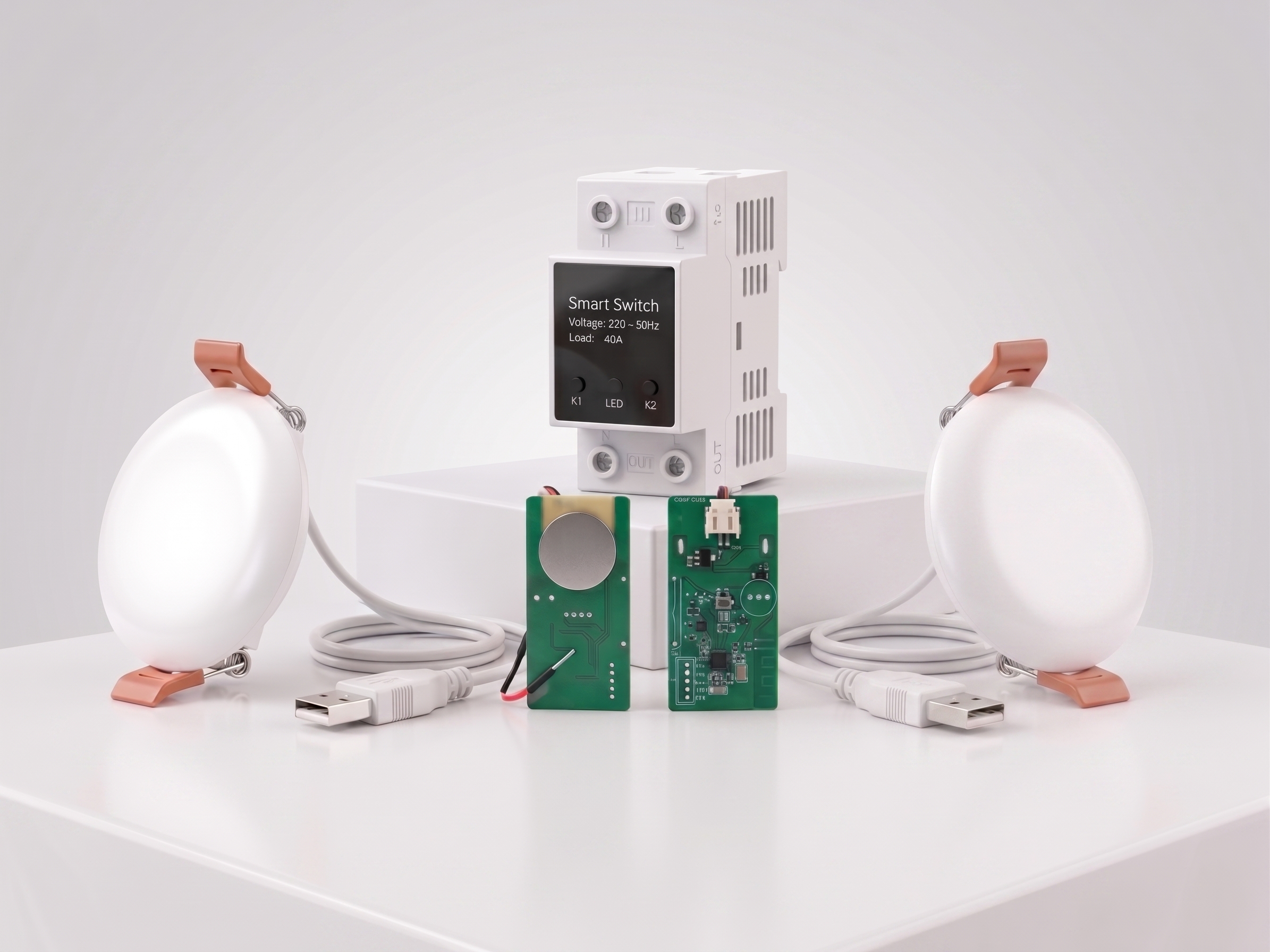
Hotel Energy Saving Control Kit — Dual mmWave Sensors, Door Sensor & Controller
A three-piece hotel energy saving control kit combines ceiling mmWave occupancy sensors for the bedroom and bathroom, an embedded door magnetic contact sensor, and a local central controller. Zero PMS and zero cloud: reduce HVAC and lighting waste with true occupancy detection.
This page already points to it as the next recommended reference.
Related solutions
2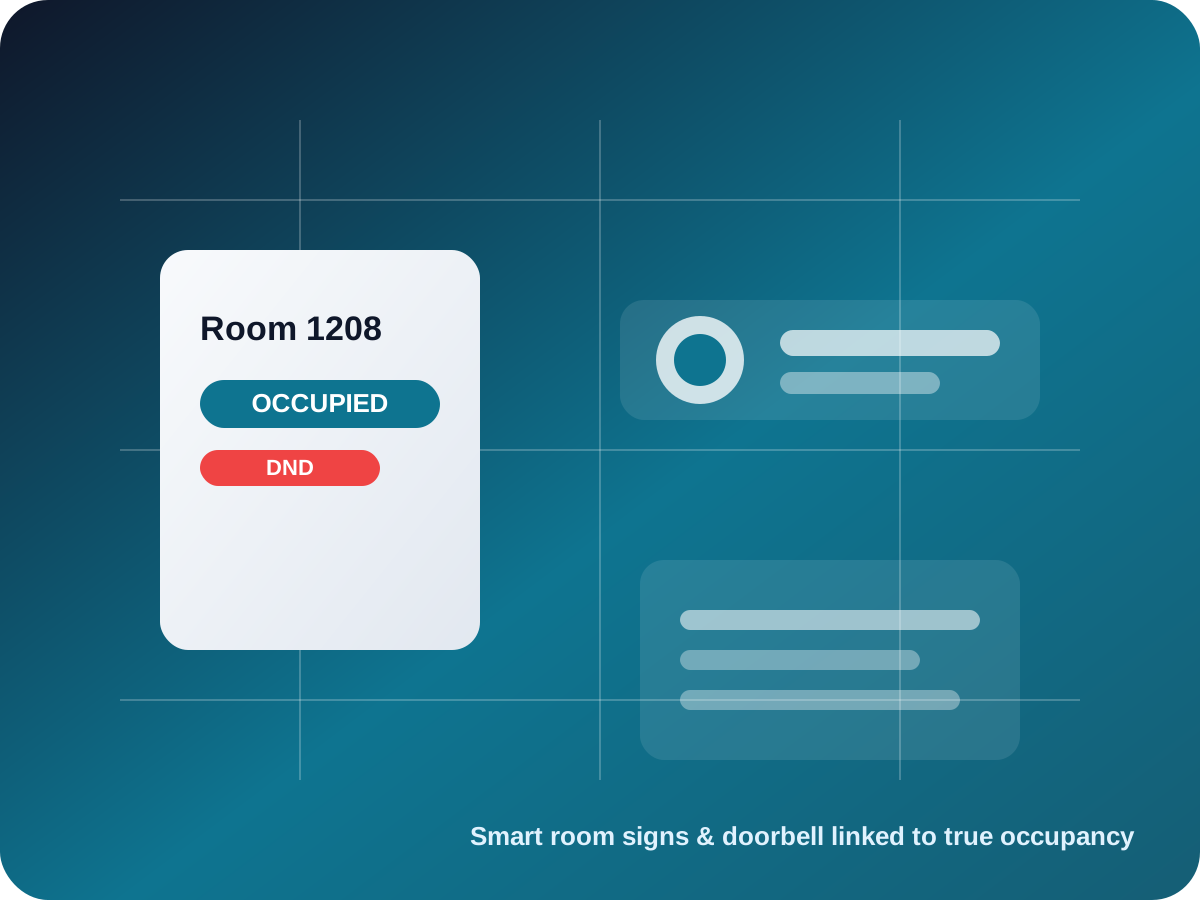
Hotel Energy Management — Occupancy Sensor HVAC & Lighting Control
Hotel energy management that uses an occupancy sensor to drive HVAC and lighting setback the moment a guest leaves. Our energy management system for hotels cuts room energy cost 20-40% with true occupancy detection.
It supports the same product context: Hotel Energy Saving Control Kit — Dual mmWave Sensors, Door Sensor & Controller.
Hotel Room Occupancy System — Intelligent Room Occupancy Management
A hotel room occupancy system that turns mmWave radar presence into live room status, housekeeping signals, and HVAC energy saving. Our intelligent room occupancy system manages guest rooms from one mmWave sensor mesh.
It supports the same product context: Hotel Energy Saving Control Kit — Dual mmWave Sensors, Door Sensor & Controller.
Related blog posts
3
Hotel Energy Savings vs Consumption Analysis
Compare hotel energy consumption patterns with achievable savings through occupancy-based automation and smart HVAC control systems for hotels.
It supports the same product context: Hotel Energy Saving Control Kit — Dual mmWave Sensors, Door Sensor & Controller, ceiling-mmwave-occupancy-sensor.
Hotel Guest Experience Optimization Guide
Optimize hotel guest experience with occupancy sensors through automated comfort control, seamless service delivery, and personalized room environments.
It supports the same product context: ceiling-mmwave-occupancy-sensor, Hotel Energy Saving Control Kit — Dual mmWave Sensors, Door Sensor & Controller.
Hotel Occupancy Sensor ROI Calculator Guide
Calculate hotel occupancy sensor ROI including energy savings, implementation costs, payback periods, and total cost of ownership analysis for hotels.
It supports the same product context: Hotel Energy Saving Control Kit — Dual mmWave Sensors, Door Sensor & Controller, ceiling-mmwave-occupancy-sensor.
Specify your hotel project with our engineers
Send your room count, ceiling type, and protocol preference. We will return a sample plan and quote within 24 business hours.
- Move from general guidance into a product or application discussion.
- Use RFQ when pricing, drawings, MOQ, or launch timing needs structure.
- Keep a direct contact path visible for fast clarifications and handoff.