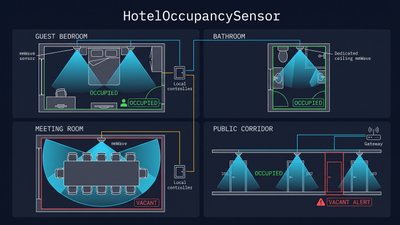
Guest Room Occupancy Energy Management System
A guest room occupancy energy management system links ceiling mmWave presence to the thermostat and lighting so the HVAC runs only in truly occupied rooms.
HotelOccupancySensor Engineering Team
Prefer English? We will keep this page context and only switch if you want.
Buying guides on hotel room occupancy sensors and mmWave presence detection for HVAC energy saving and building automation.
A guest room occupancy energy management system links ceiling mmWave presence to the thermostat and lighting so the HVAC runs only in truly occupied rooms.
A hotel room occupancy sensing solution uses ceiling mmWave sensors to run HVAC and lights only when a room is truly occupied. A guide for owners.
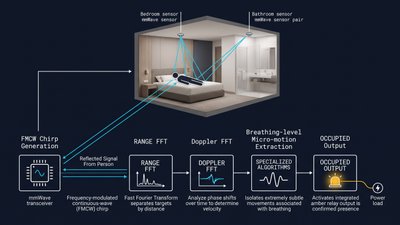
How do hotel thermostats detect occupancy: a ceiling mmWave sensor or a PIR reads presence and drives the AC, while a door switch or card adds a hint.
How hotel occupancy sensors work: a ceiling mmWave reads a still guest by breathing micro-motion and tells the thermostat whether to cool the guest room.
Hotel occupancy sensor energy savings scale with the hours a room sits vacant at the guest setpoint, moved to a setback by ceiling mmWave presence.
Are there sensors in hotel rooms? A ceiling presence or motion sensor runs the AC and lights, records no image, and reports only a room-level occupancy state.
Compare hotel energy consumption patterns with achievable savings through occupancy-based automation and smart HVAC control systems for hotels.
Optimize hotel guest experience with occupancy sensors through automated comfort control, seamless service delivery, and personalized room environments.
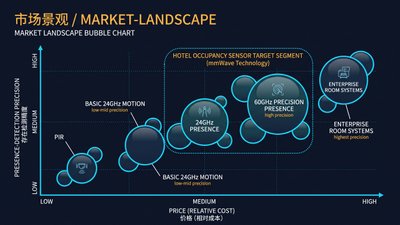
Calculate hotel occupancy sensor ROI including energy savings, implementation costs, payback periods, and total cost of ownership analysis for hotels.
Send your drawings, target quantity, and timeline. Our sales engineering team will respond within 24 business hours with a practical next step, a quote, or a sample plan.